Table of Contents
In the global stationery procurement market, China has become the preferred destination for many international buyers seeking notebook suppliers, thanks to its complete industrial chain, rich manufacturing experience, and highly competitive pricing advantages. However, facing thousands of manufacturers and trading companies, how to accurately identify truly reliable partners and avoid falling into pitfalls such as unstable quality, delayed delivery times, or communication barriers is a challenge every purchaser must face. This article provides you with a systematic screening strategy and practical guide.
I. Clarify Your Needs: From Product Positioning to Procurement Strategy
Before searching for suppliers, you first need to clearly define your core requirements:
1. Detailed Product Specifications
- Paper Quality: Determine grammage (70g, 80g, 100g, etc.), paper type (woodfree paper, recycled paper, specialty paper), color (ivory, pure white), and environmental certification requirements (FSC, PEFC)
- Binding Methods: Choose from coil binding, perfect binding, sewn binding, saddle stitching, and other processes, evaluating their durability and aesthetics
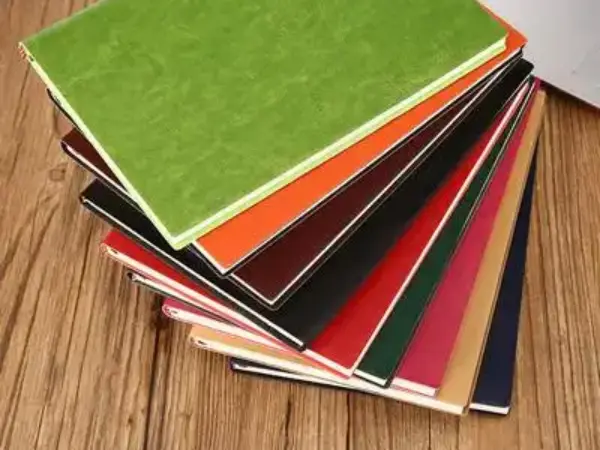
- Cover Materials: Cost and texture differences between PU leather, fabric covers, hard paper covers, soft covers, etc.
- Special Processes: Cost and effect evaluation of additional processes like hot stamping, UV coating, embossing, and debossing
2. Procurement Scale and Frequency
- Small-batch Customization (100-1,000 pieces): Suitable for startup brands and gift customization, requires factories with flexible production capabilities
- Medium-volume Orders (1,000-10,000 pieces): Balances cost and efficiency, suitable for steadily growing brands
- Large-volume Orders (over 10,000 pieces): Pursues ultimate cost advantages, requires evaluation of suppliers’ large-scale production capabilities
3. Target Markets and Compliance Requirements
- European and American markets: Focus on environmental certifications (REACH, RoHS), children’s product safety standards
- Asia-Pacific markets: Prefer specific design styles and functional characteristics
- Middle Eastern markets: May require customized designs that comply with religious and cultural requirements
II. Efficient Sourcing Channels: Combining Online and Offline Approaches
1. In-depth Use of Online B2B Platforms
- Alibaba.com: Search keywords like “notebook manufacturer China”, “custom notebook supplier”. Prioritize Gold Suppliers and companies with “Verified Supplier” badges. Use Trade Assurance to secure transactions, and review suppliers’ export records, buyer feedback, and certifications.
- Global Sources: More suitable for finding mid-to-high-end suppliers, with stricter supplier verification and relatively better product quality assurance.
- Made-in-China.com: Highly localized, allowing contact with more small and medium-sized specialized factories.
2. Offline Trade Shows and Industrial Base Visits
- Canton Fair (spring and autumn sessions): The stationery section gathers China’s highest-quality notebook manufacturers, allowing on-site evaluation of product quality, craftsmanship, and company capabilities.
- Yiwu International Commodities Fair: The world’s largest small commodities distribution center, with a massive number of stationery suppliers, ideal for finding cost-effective products.
- Wenzhou Stationery Industrial Base: China’s stationery manufacturing hub, with a complete industrial chain and professional notebook production enterprises.
- Shenzhen Gift Exhibition: Focuses on creative design and customized products, suitable for finding suppliers with design capabilities.
3. Industry Associations and Professional Organizations
- China Stationery and Sporting Goods Association
- Local import and export chambers of commerce
- Supplier databases from third-party factory audit agencies (such as SGS, BV, Intertek)
III. Supplier Evaluation System: From Qualifications to Capabilities
1. Basic Qualification Review
- Business License and Production Permits: Confirm legal business qualifications
- Export Qualifications: Self-operated import and export rights, customs registration certificates
- Quality Certifications: ISO9001 quality management system, ISO14001 environmental management system
- Product Certifications: FSC forest certification, Oeko-Tex Standard 100, etc.
2. Production Capability Assessment
- Factory Scale: On-site visits or video factory audits to understand workshop area, equipment quantity, and workforce size
- Equipment Advancement: Fully automatic printing equipment, precision die-cutting machines, automated binding lines, etc.
- Capacity Evaluation: Daily output, monthly capacity, maximum order handling capability
- Quality Control System: Whether there’s a dedicated QC team, testing equipment, and quality control processes
3. Flexible Customization Capabilities
- Sampling Lead Time: From design to sample completion time
- Minimum Order Quantity (MOQ): Minimum order requirements for different processes and materials
- Design Support: Whether design services are provided, ability to understand international design standards
- Supply Chain Responsiveness: Raw material procurement cycle, flexibility in production scheduling
4. Financial and Risk Assessment
- Financial Strength: Registered capital, bank credit limits, financial condition
- Customer Structure: Whether there are well-known customer cases, customer concentration
- Historical Disputes: Check legal litigation records through China’s judicial document website
- Intellectual Property Protection: Whether there are comprehensive confidentiality agreements and IP protection measures
IV. Deep Cooperation Strategy: From Samples to Mass Production
1. Sample Evaluation Phase
- Request Multiple Samples: Comparative samples of different processes and materials
- Comprehensive Testing: Paper writing smoothness, binding firmness, cover wear resistance, color reproduction
- Cost Analysis: Price differences between samples and mass production, cost composition of various processes
- Communication Efficiency: Supplier’s response speed and execution capability for modification suggestions
2. Small-batch Trial Production
- Order Scale: 100-500 pieces to verify the supplier’s actual production capability
- Full Process Tracking: Every step from raw material procurement to finished goods shipment
- Quality Inspection: Strict inspection by third-party inspectors or self-deployed QC
- Problem Feedback: Document issues during production, evaluate the supplier’s improvement capability
3. Establishing Long-term Cooperation
- Price Negotiation: Tiered pricing based on annual procurement volume
- Quality Agreement: Clear quality standards, inspection methods, and procedures for handling non-conforming products
- Delivery Time Guarantee: Signed delivery time commitment agreements with clear delay compensation clauses
- Continuous Improvement: Regular evaluation of supplier performance, establishment of long-term cooperation mechanisms
V. Risk Prevention and Cost Optimization
1. Common Risk Identification and Prevention
- Quality Risks: Establish strict quality acceptance standards, use AQL sampling standards
- Delivery Time Risks: Reasonable procurement cycle planning, buffer time reservation, selection of suppliers with backup capacity
- Exchange Rate Risks: Use forward exchange settlement, phased payment methods to reduce exchange rate fluctuation impacts
- Intellectual Property Risks: Sign confidentiality agreements, apply for design patents, prevent design copying
2. Cost Optimization Strategies
- Centralized Raw Material Procurement: Negotiate centralized raw material procurement with suppliers to reduce unit costs
- Process Optimization: Optimize production processes while ensuring quality, reduce waste
- Logistics Optimization: Reasonable planning of transportation methods, choose the most cost-effective logistics solutions
- Payment Method Optimization: Use LC, DP, and other secure payment methods to balance capital occupation and risk
3. Sustainable Development Cooperation
- Eco-friendly Material Selection: Promote the use of recycled paper, eco-friendly inks, biodegradable materials
- Social Responsibility: Choose suppliers that comply with BSCI, SEDEX, and other social responsibility standards
- Long-term Partnership: Establish strategic partnership relationships to jointly respond to market changes
VI. Digital Tools Empowerment
1. Supply Chain Management Software
- Procurement management platforms: Centralized management of supplier information, order status, quality data
- Quality traceability systems: Establish product quality traceability systems to quickly locate problem sources
- Data analysis tools: Analyze procurement data to optimize supplier structure and procurement strategies
2. Communication and Collaboration Tools
- Multilingual communication: Use professional translation tools or hire professional translators
- Video conferencing: Regular video meetings to enhance communication efficiency
- Project management: Use tools like Trello, Asana to track order progress
3. Market Intelligence Acquisition
- Industry reports: Regularly read stationery industry analysis reports to understand market trends
- Competitor analysis: Analyze competitors’ supplier strategies and product characteristics
- Policy tracking: Monitor changes in China’s export policies, tariff policies
VII. Success Case Studies
Case One: European Stationery Brand’s Successful Transformation
A well-known European stationery brand found a Wenzhou notebook manufacturer with 20 years of experience through systematic supplier screening. This supplier not only had advanced printing equipment but also a professional design team capable of customizing designs according to European market needs. Through three years of cooperation, the brand’s market share increased by 35%, and product quality complaint rates decreased by 80%.
Case Two: Rapid Growth of a US Startup
A US startup journal brand found a Yiwu supplier through the Alibaba platform during its early stages. After rigorous sample testing and small-batch trial production, a long-term partnership was established. The supplier provided comprehensive support from design to production, helping the brand achieve a breakthrough from zero to one million dollars in sales within two years.
Case Three: Japanese Enterprise’s Precision Management
A major Japanese office supplies company established a complete supplier management system in China. Through regular supplier evaluations, strict quality control, and continuous process improvements, they ensured high-quality products and stable supply. The company’s core supplier relationships averaged over 10 years, forming genuine strategic partnerships.
Through the above systematic strategies and methods, we believe you can find truly excellent notebook partners in China’s vast supplier market. Remember, successful supplier relationships are built on mutual trust, transparent communication, and shared growth. Continuously optimize your procurement strategies and establish long-term cooperation mechanisms to maintain your competitive advantage in the global market.
Mix Bulk, A Yiwu international trade company, offers you the best Sourcing services and provides you with the highest quality industry resources. With over 11 years of experience in the stationery industry, we have deeply cooperated with more than 200 suppliers, covering the full range of needs from high-end customization to mass production. Whether it’s exquisite business notebooks, creative journals, or eco-friendly recycled paper notebooks, we can provide you with one-stop procurement solutions. Contact our professional team to make your procurement journey more efficient, secure, and worry-free.